

Tax Reforms to Offset U.S. Tariffs: India’s Strategic Economic Response

Tax Reforms to Offset U.S. Tariffs: India’s Strategic Economic Response


 Introduction

The recent imposition of 25% tariffs by the United States on oil imports has raised concerns for many global economies, including India. Such measures can disrupt trade flows, increase costs for businesses, and slow GDP growth. However, India has proactively introduced tax reforms, particularly through cuts in the Goods and Services Tax (GST), to counterbalance the potential economic shock. This approach reflects the government’s commitment to shielding domestic demand while maintaining a steady growth trajectory.
Understanding the Challenge

The new U.S. tariffs directly affect the cost of importing crude oil and other related products, which are vital to India’s energy and manufacturing sectors. Rising import costs could lead to inflationary pressures, higher transportation expenses, and reduced competitiveness for Indian exporters. The Chief Economic Advisor, V. Anantha Nageswaran, estimated that the tariffs could shave 0.2–0.3% off India’s GDP growth. While the impact seems modest, unchecked trade disruptions could trigger ripple effects across supply chains and consumer spending.

The Role of GST Reforms

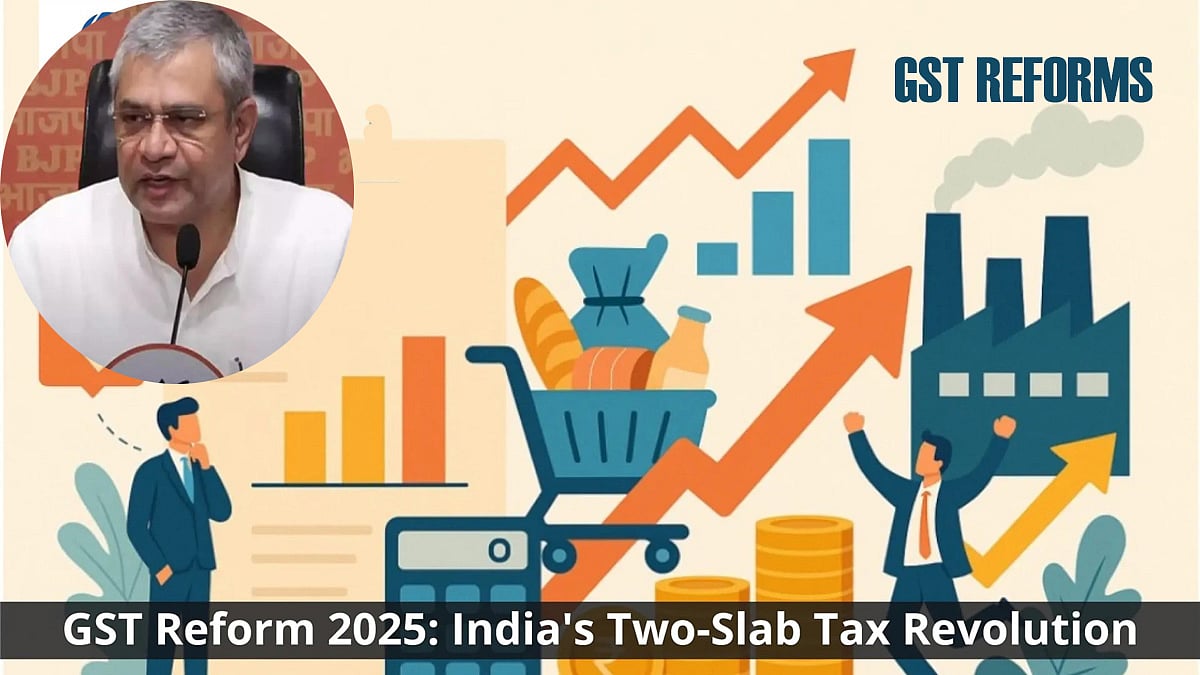
To mitigate these risks, the Indian government announced GST cuts on select goods and services, aiming to stimulate consumption and boost business confidence. By lowering indirect taxes, businesses can pass on cost savings to consumers, reducing inflationary pressures. For example, cuts on essential commodities, small-scale manufacturing inputs, or logistics-related services could help stabilize prices. This also makes it easier for small and medium enterprises (SMEs) to remain competitive in a tougher global environment.

Supporting Domestic Demand

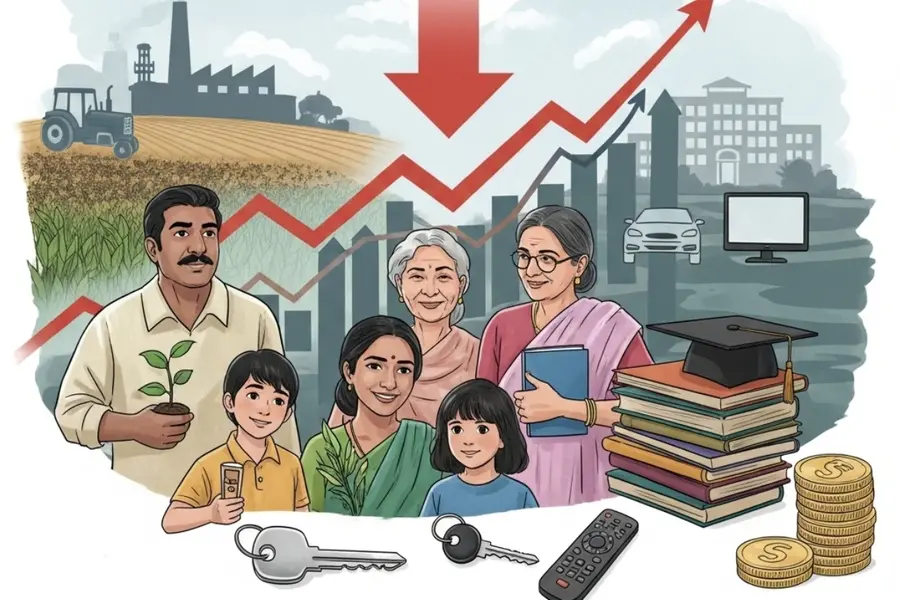
A key strategy behind these reforms is to strengthen domestic demand. India’s economy is increasingly driven by consumption, which accounts for over half of GDP. By putting more money in the hands of consumers and reducing operational costs for businesses, the government ensures that spending and investment remain robust. This cushioning effect helps India sustain its 6.3–6.8% growth forecast for the financial year, even amid external trade pressures.

Maintaining Investor Confidence

The combination of tax reforms and prudent fiscal management also signals stability to foreign and domestic investors. By acting swiftly, India demonstrates its ability to adapt to global challenges without resorting to protectionist measures that might harm long-term growth. A stable tax regime encourages companies to continue investing in manufacturing, infrastructure, and technology, further diversifying the economy.

Broader Economic Implications

While GST cuts alone cannot fully neutralize the impact of U.S. tariffs, they form part of a broader strategy. Complementary measures—such as boosting renewable energy production, diversifying oil import sources, and negotiating trade agreements—are expected to support resilience. These steps align with India’s long-term vision of self-reliance while remaining open to global markets.

Conclusion

India’s decision to implement tax reforms in response to U.S. tariffs reflects a balanced, forward-looking economic strategy. By leveraging GST cuts to stimulate domestic demand, the government is not only cushioning the immediate impact but also reinforcing the economy’s growth potential. This approach highlights India’s growing maturity as a global economic player—one that can navigate external challenges while continuing its journey toward sustainable and inclusive growth.